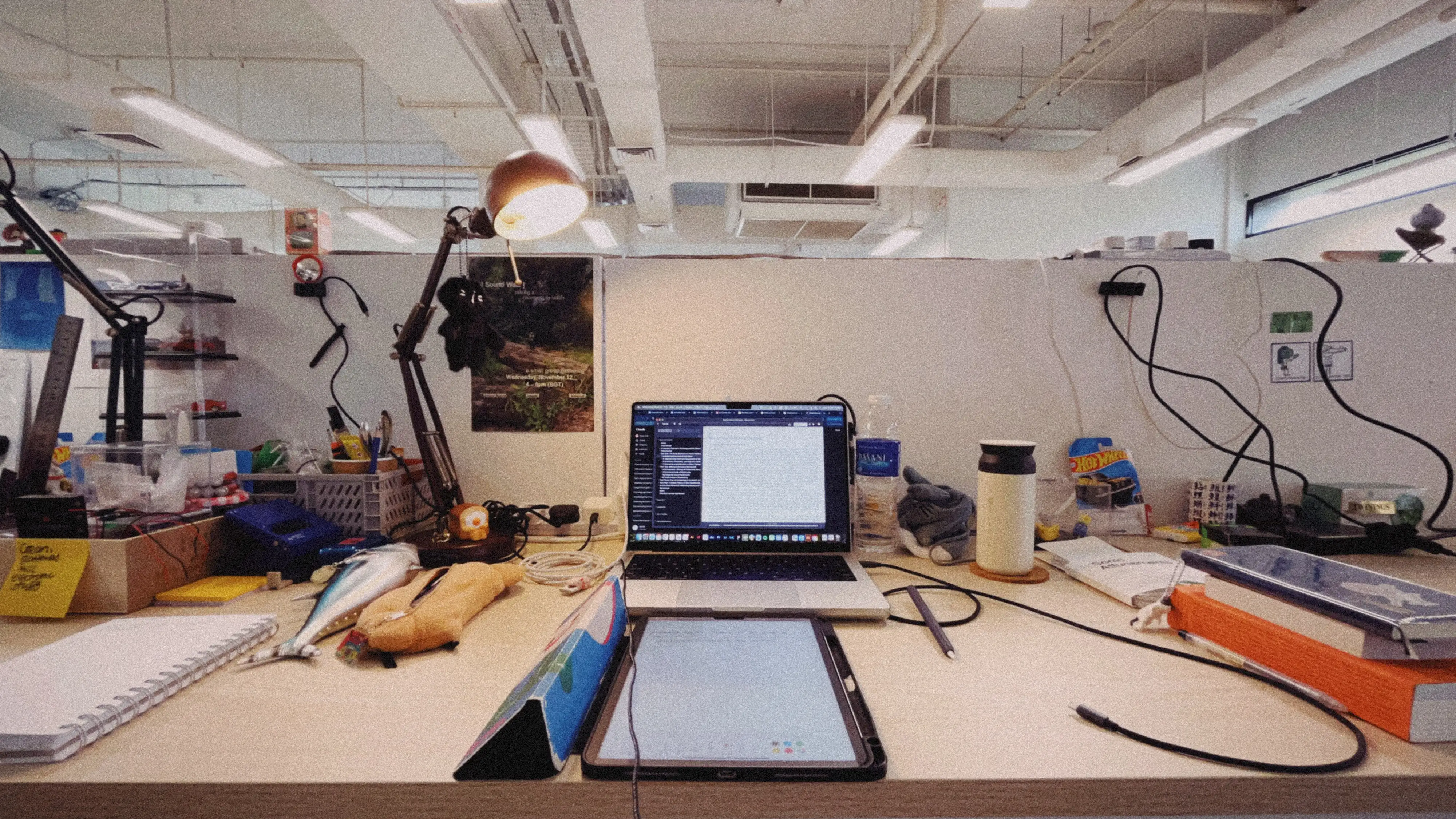
A picture of the lovely studio table
We’re Back.
Back to school!
The month long holiday served as a good break for me to recharge and pause. The end of Semester One felt like a rollercoaster for me so I really took the break to recharge and rest – to be honest, getting back into the groove of things feels tough again. The thing about a long break is how much of a double-edged sword it is; its great for a mental reset, but at the same time, I am still stuck in the lazy, holiday mood…
Nevertheless, I have been catching up on my readings for Dissertation, adding a new book to the mix: Discursive Design: Critical, Speculative, and Alternative Things by Stephanie M.Tharp and Bruce M.Tharp. Thus far, I realised that I haven’t exactly addressed what design category my work falls into yet – hence, when the feedback suggested that my work rests somewhere between Discursive Design and HCI (Human Computer Interaction), it felt like an aha! moment.
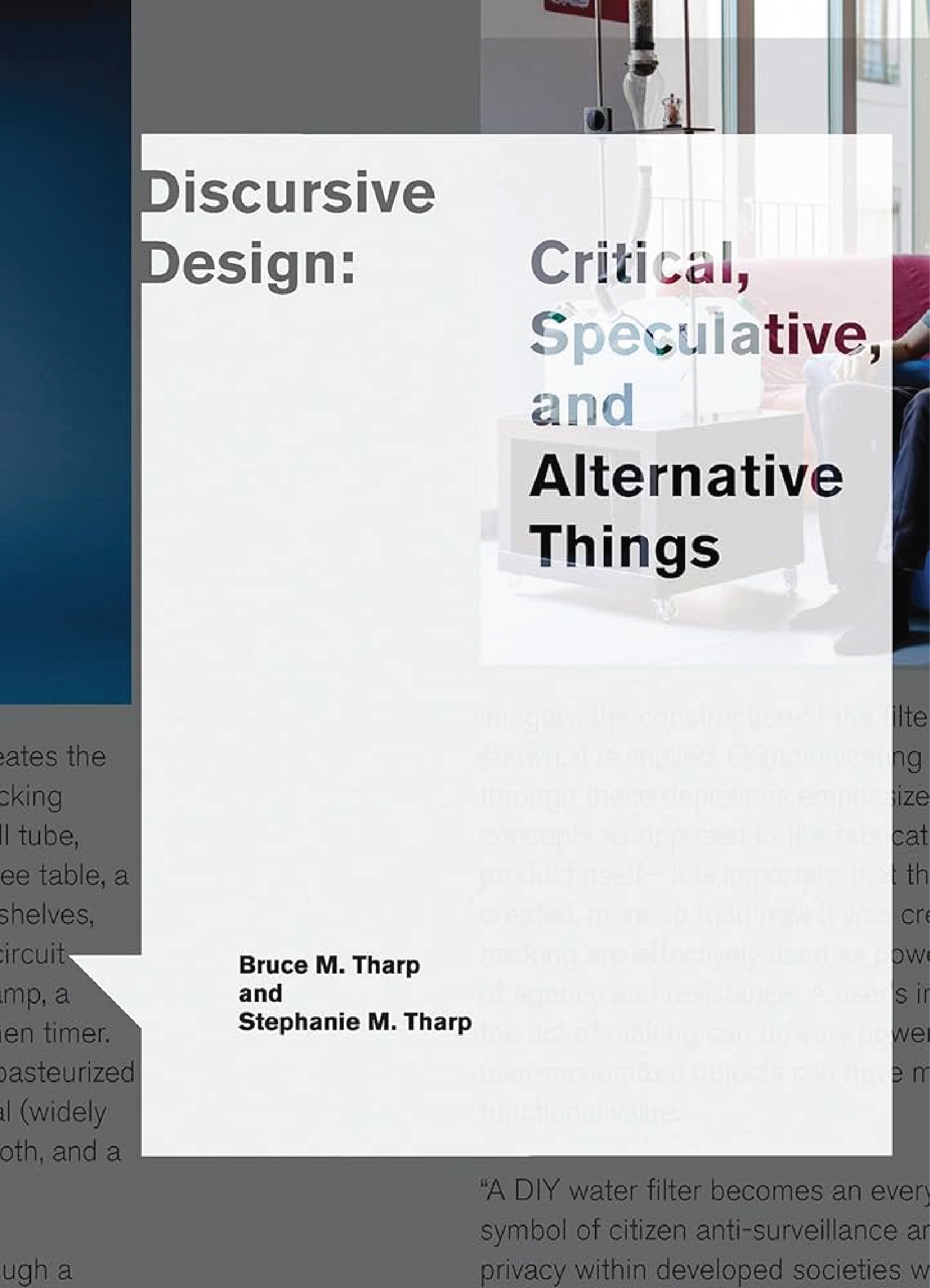
Designing not simply for function, but for reflection
As of now, I think that what I’ve done so far fits into the area of Somaesthetic Design. Somaesthetics is an interdisciplinary field, originally proposed by the philosopher Richard Shusterman. It means to design for (and with) the body in mind. My experiment Vibrational Ground addresses this; utilising haptic vibrations, sound is felt throughout the body, engaging users through movement.
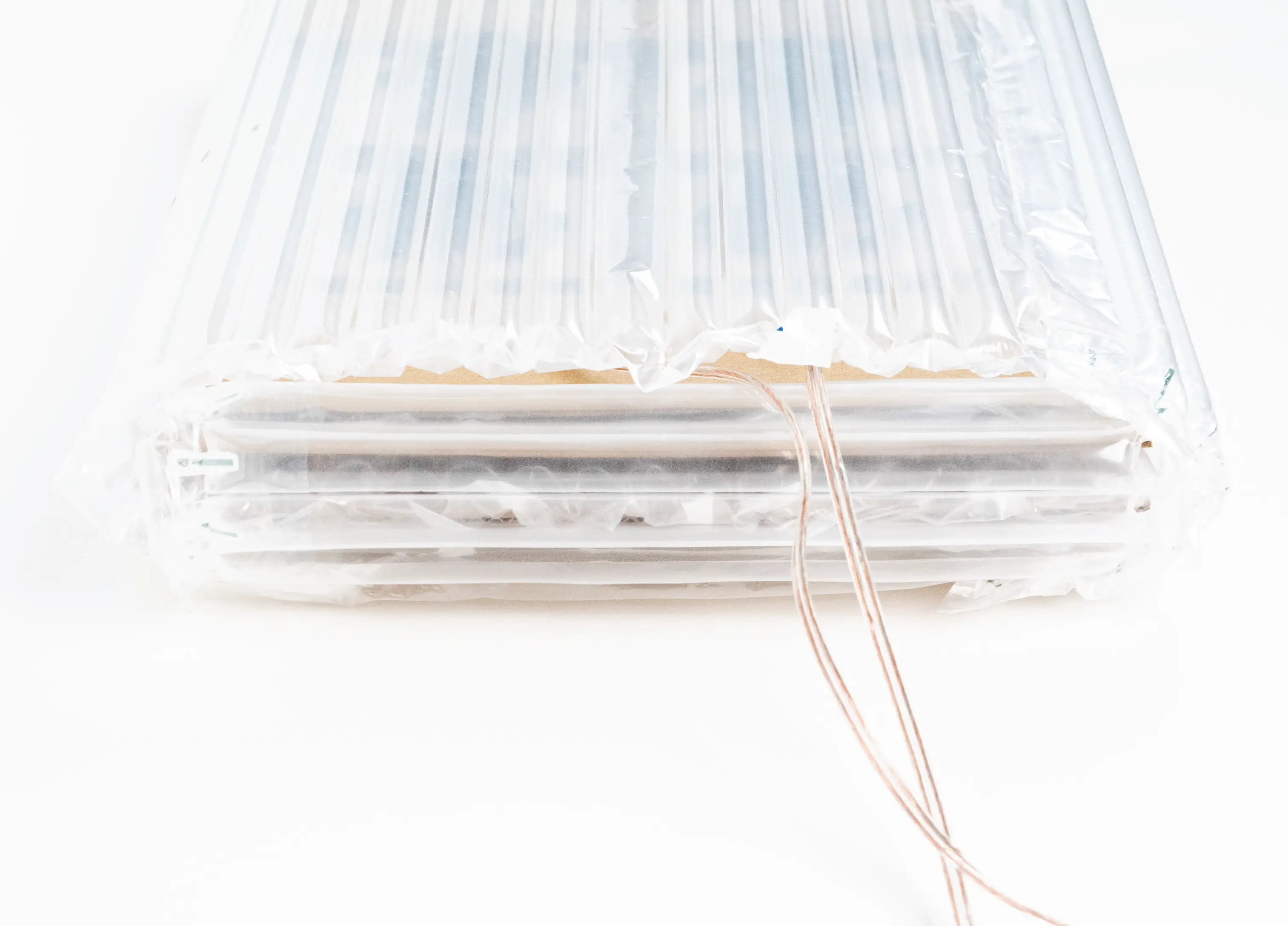
Vibrational pillow from Semester One
Besides the readings, I also did a little bit of thinking on the journey so far.
Before coming into Lasalle, I distinctly recall my design manager (from the company I used to work at) ramble about design schools offering too many “student projects”. I mean, of course they are student projects; these projects are made by students! I remember thinking. And so I entered design school, and 3 years flew by quickly. I learned fundamentals, less graphic design, and understood the thinking process a little more. Now thinking back to that little ramble, and looking back and what i've done, I’m starting to truly think:
"What is the purpose and objective of Sonic Attunements?"
What am I really trying to achieve here? Everyone surely hopes the most for this final year project.
Three years of school, and it all boils down to this – a project of hopes and dreams, and a desire to “change the world” – what Vikas said at the start of our final year. With the year coming to an end (really) soon, it was time to sit down and think about what I wanted to showcase for as a final result. A culmination of all the experiments and explorations I did as part of Sonic Attunements.
A Recap of Semester 1, Feedback & Personal Reflection
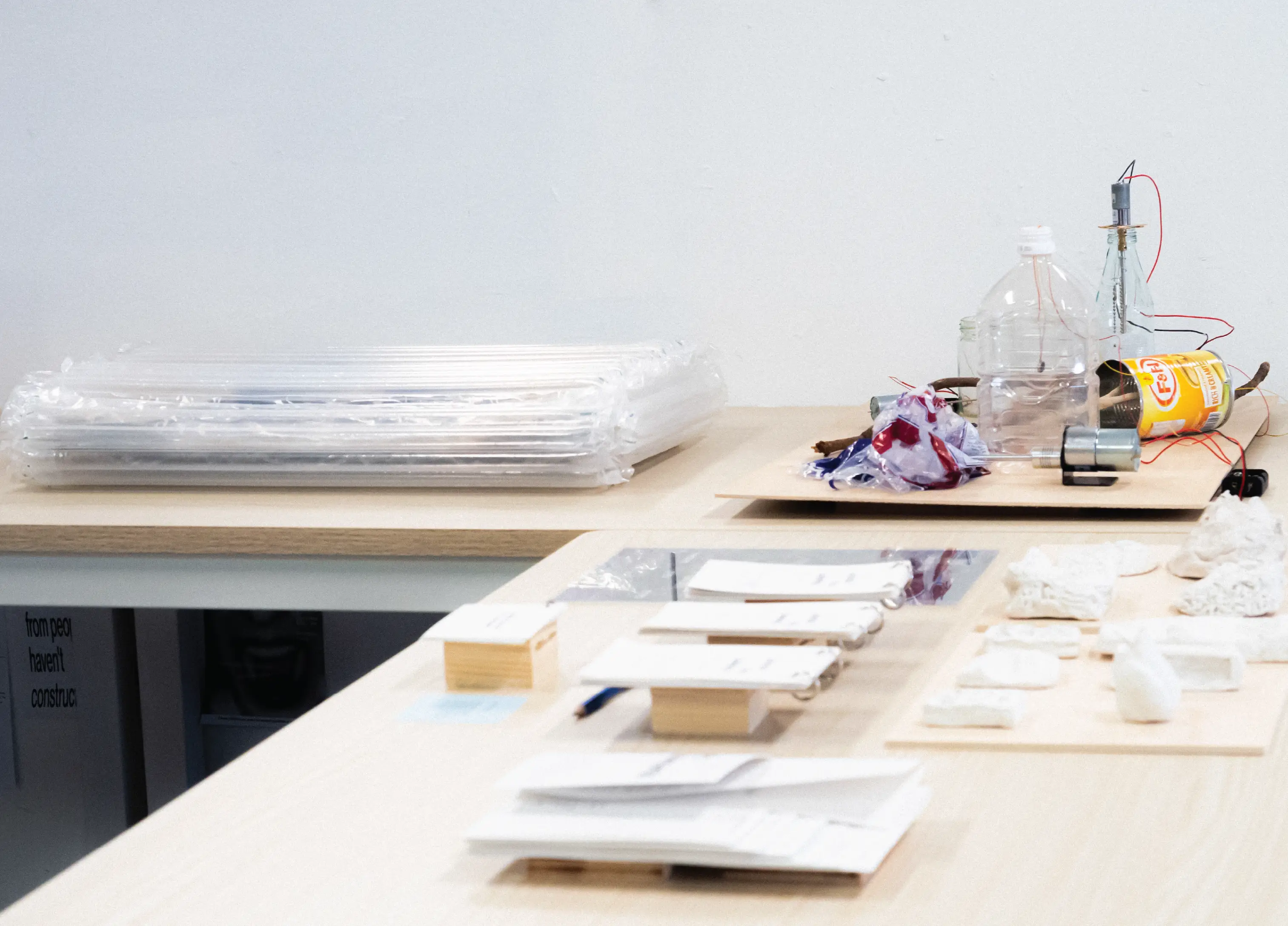
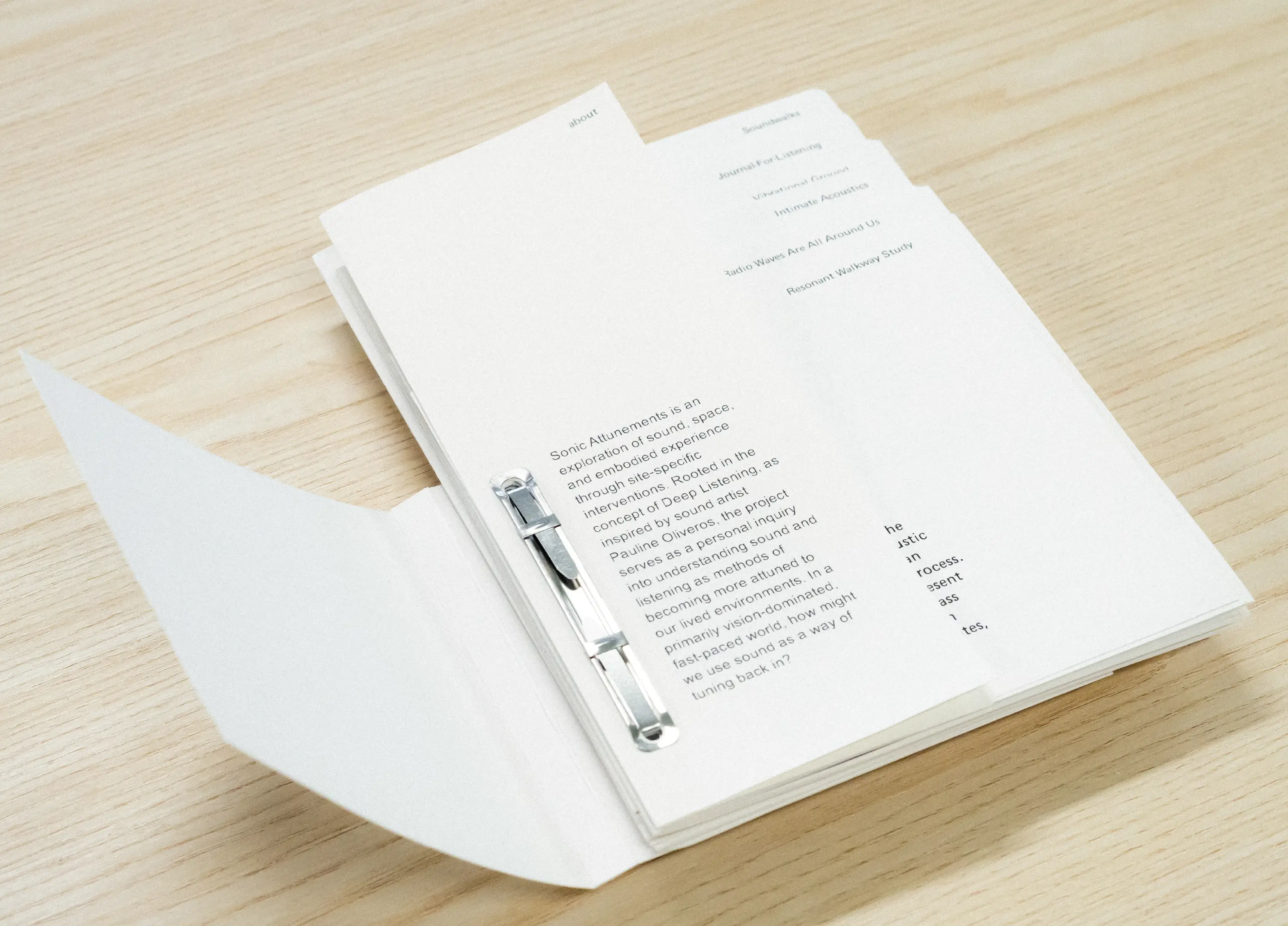
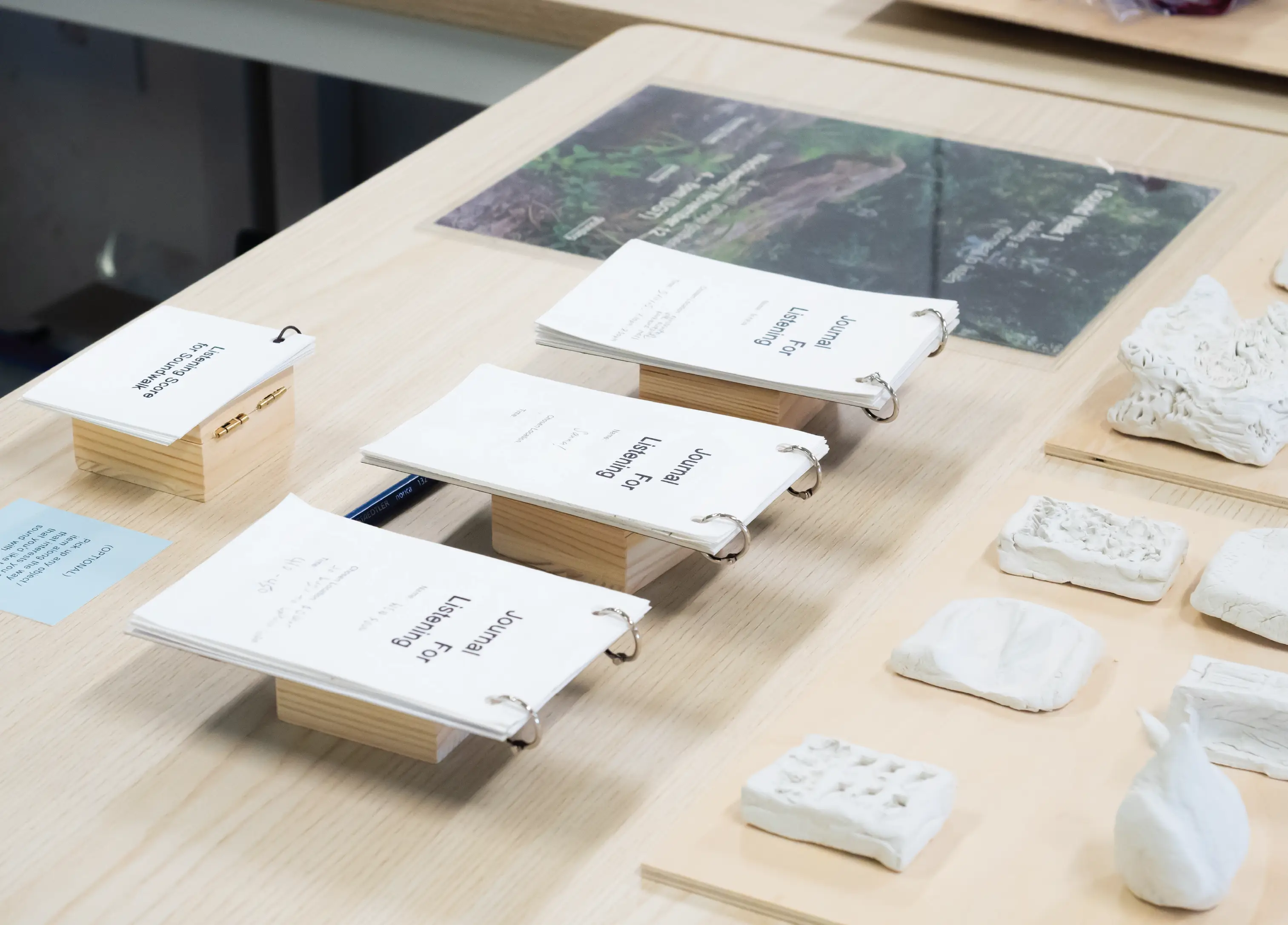
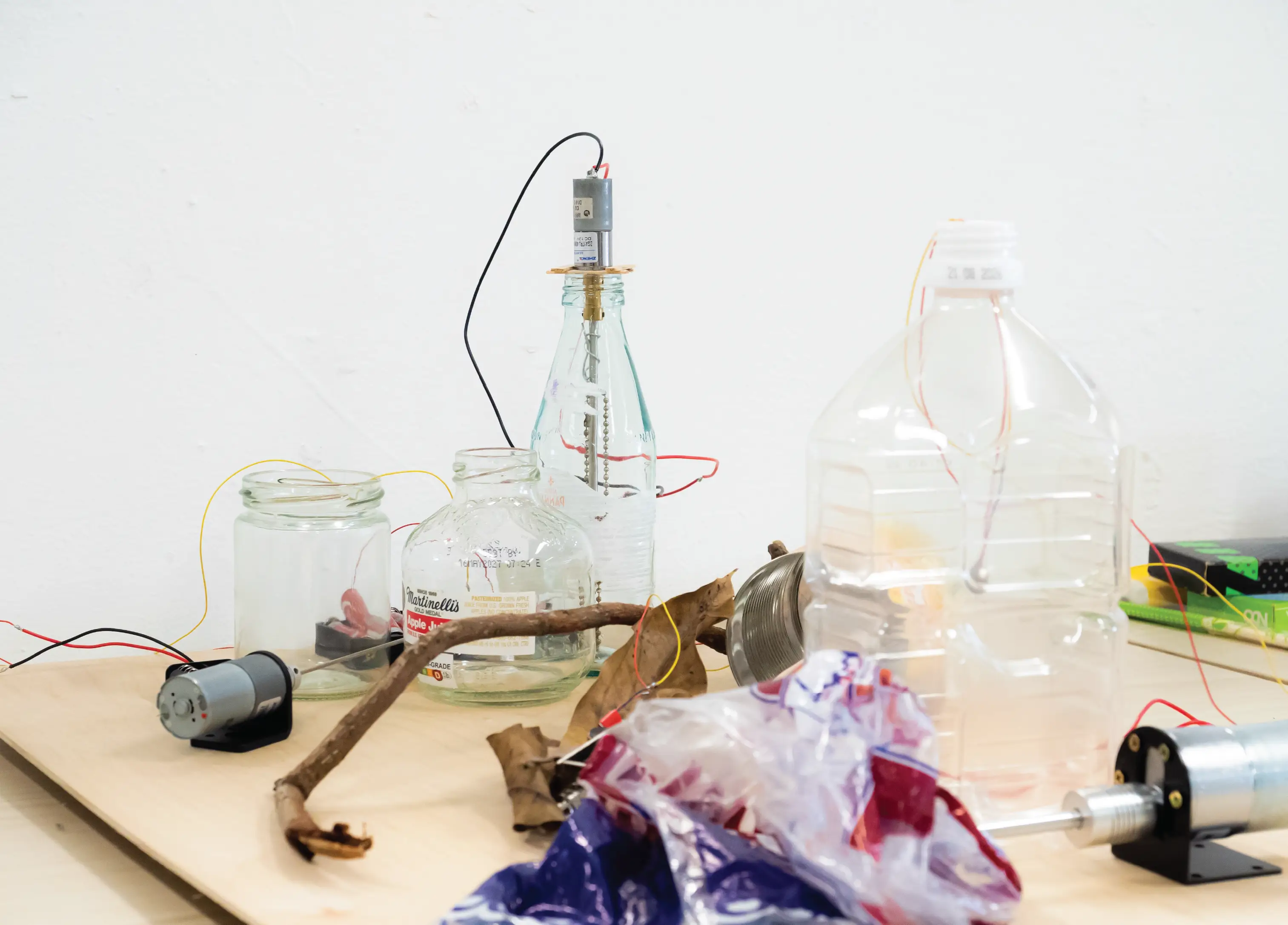
The first semester ended in quite a chaotic fashion - I distinctly remember rushing to code my CPJ (Sorry Andreas) while polishing up my table set up on a whim. It was so crazy, I didn’t have time to print my writeups for the things on my table. Hence, everything ended up with no titles, captions, or explanations – only a blank acrylic sheet on the table.
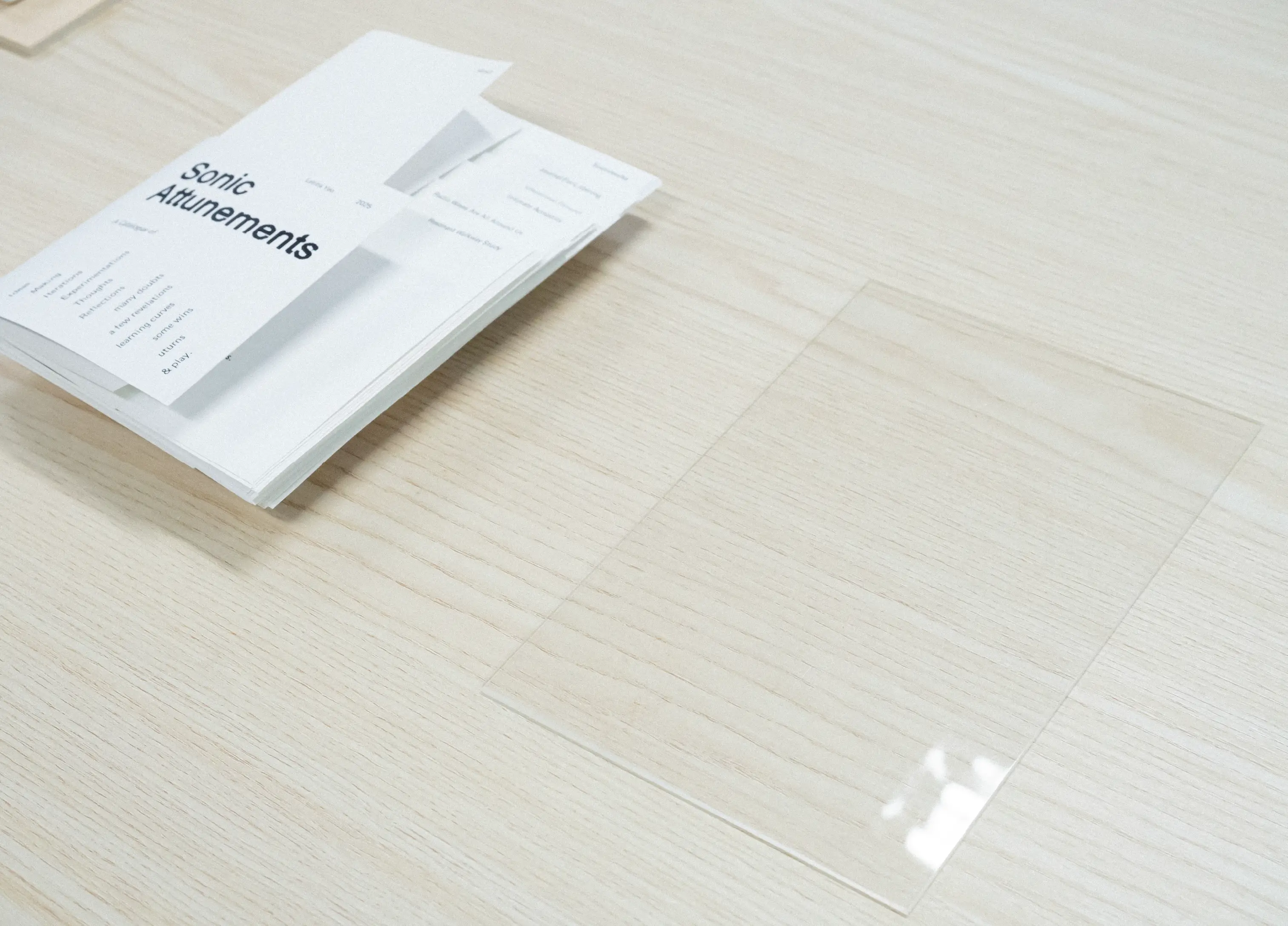
This actually happened. *smacks head*
Throughout the holidays, I was still beating myself up about this mistake; a laughable one that could have been avoided easily. In my end-of-semester reflection, I mentioned that the documentation and presentation of my experiments ended up taking more time than expected. Hence, a lot of things ended up in a scramble. Anyway, I documented them properly this week before the chaos starts again:
Summative Feedback Key Pointers
Our summative feedback from Semester 1 rolled around during the break. I read it, reread it again, and sat down to process it a number of times. To sum it up, these were the notable key points:
1
The question of where my work stands in a design context
Overall, my experiments functioned well as standalone design objects; each had a individuality and distinct aesthetic style which could be developed further. Now, the critical question was: How does my project become a cohesive design communication project? Right now, everything works as standalone pieces, but the connection between them aren’t made clear yet.
- What is the thread that ties them together?
- What is the overarching narrative that makes this a unified project rather than a collection of experiments?
- What shared principles guide these objects?
- How does each piece contribute to a larger whole?
2
Developing cohesiveness as a design project:
Andreas mentioned that I needed to be mindful of how I communicated the relationship between my design objects through design language. This includes the visual connections, conceptual threads and presentation strategies used in my project; these all contribute towards the design impact Sonic Attunements has to offer. Hence, this semester, I would like to establish a stronger sense of unity among all my experiments. I will try to connect everything together and give it a “home” – a grounding place that expresses the project’s narrative more clearly.
My field recording website, Journal-for-Listening, could benefit from further design and technical refinement. As for the soundwalk, the listening kit has potential as both a prompt for more sensitive listening and a way of representing that listening.
Catching up
To kickstart the semester, we had a little chat with Andreas; recapping our progress over the break (if any) and talking about our next steps.
Talking to my other atelier mates, Sanna and Jared, we had the realisation that our projects were similar in some aspects. Sanna was planning to head in a more discursive design direction, whereas Jared’s project covered the aspect of slow technology – designing for slower, meaningful experiences. Both of which seemed to coincide with what I was doing.
Hint hint collaboration? Hahaha. Still, it is nice to share similar research areas.
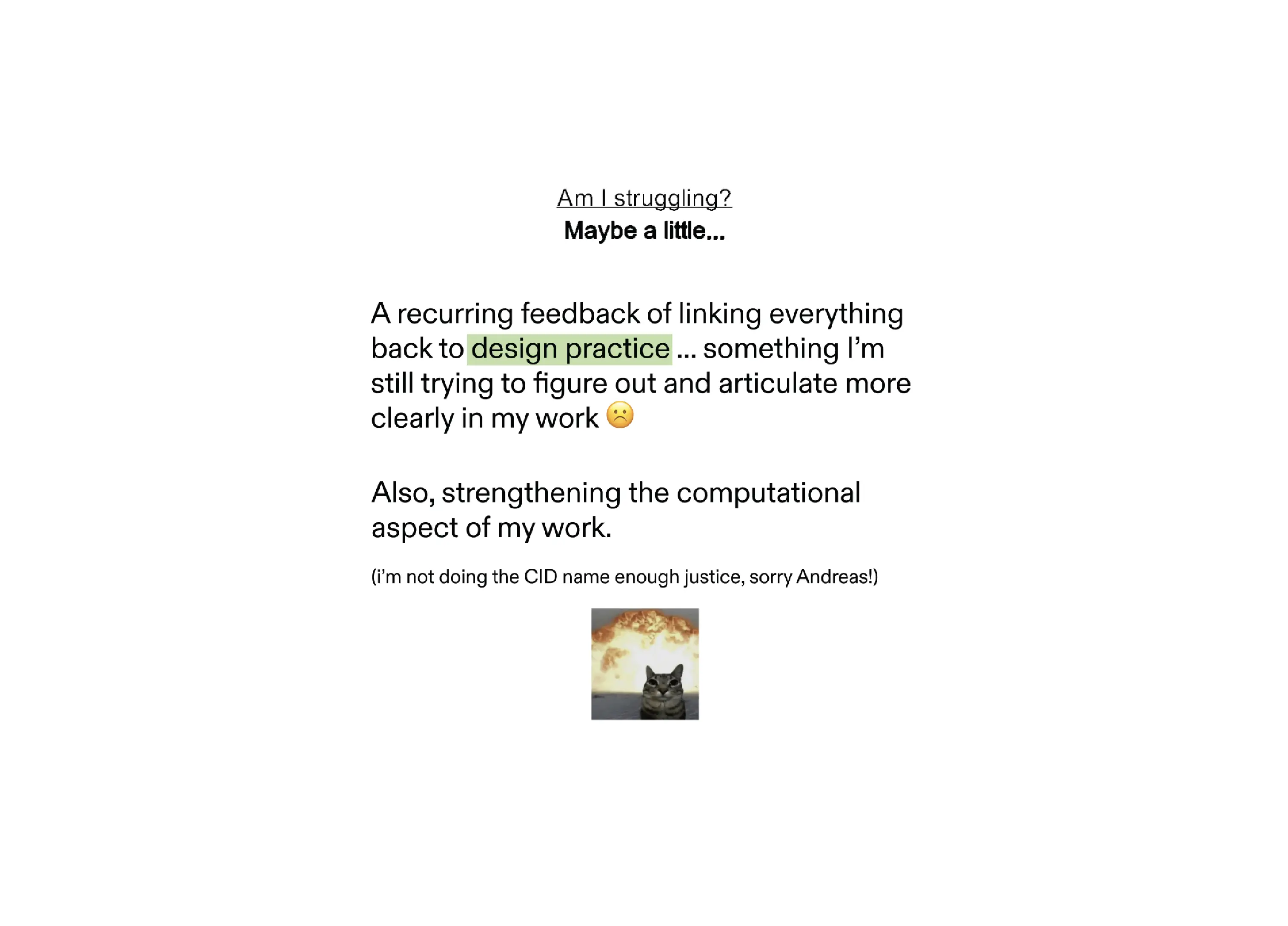
A glimpse of week 1 slides
Andreas left me with some questions to think about: How do you want to summarise your making? Will it be in a physical, or digital form? Booklet, book, video, website, combination of stuff? How do you want to present your work?
Project positioning
After the talk, I went back and thought about the overall positioning of Sonic Attunements. How do I want to frame everything? I figured that as much as it was a student project, I didn’t want it to simply exist in that manner. It needed to present itself as something more, a real experience that invites others to listen.
To get some inspiration, I turned to sonic festivals and collectives who have held sound-related exhibitions before. This includes Sonic Acts' yearly Biennial from the Netherlands, and Oscillations festival in Brussels.
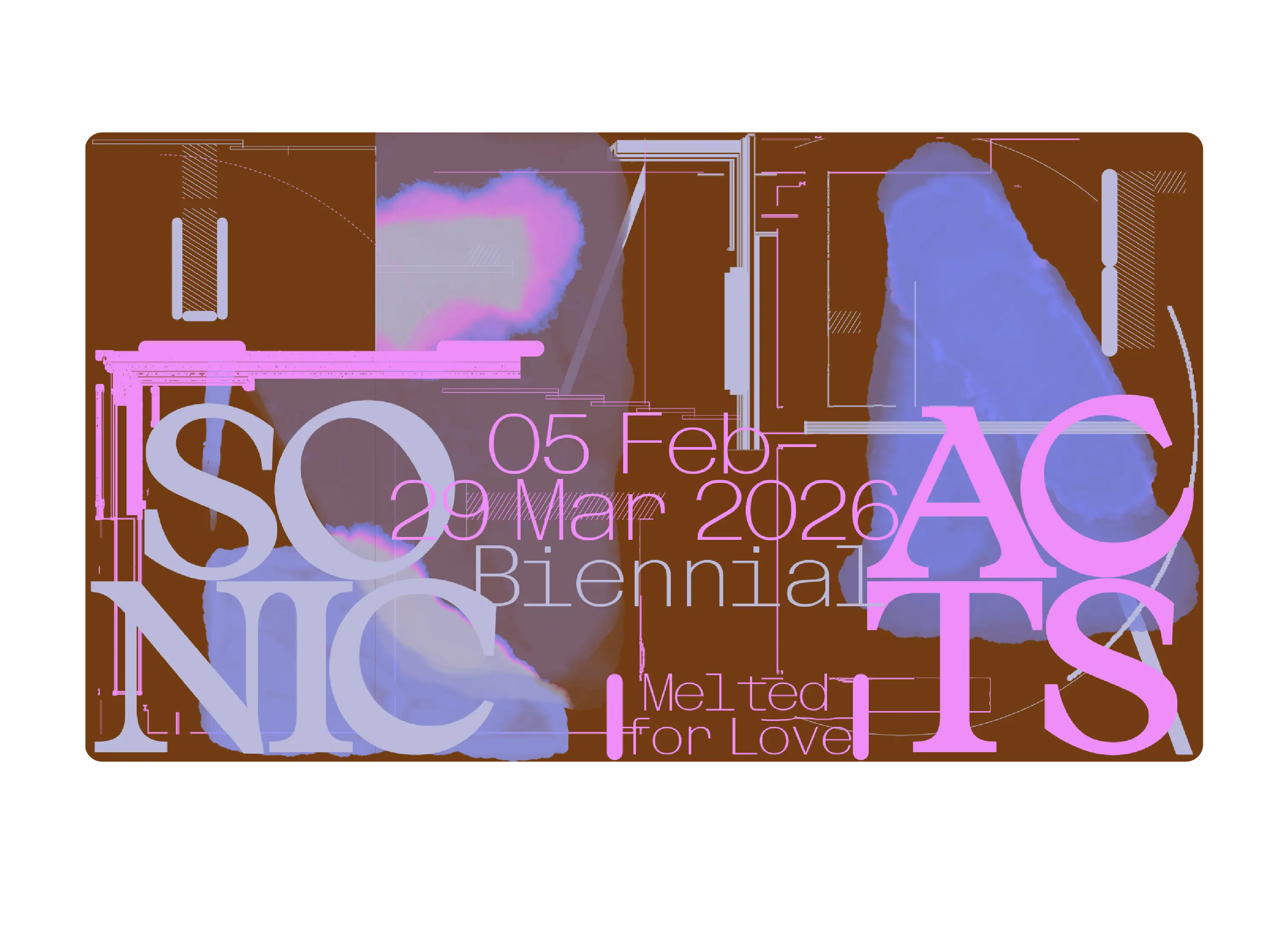
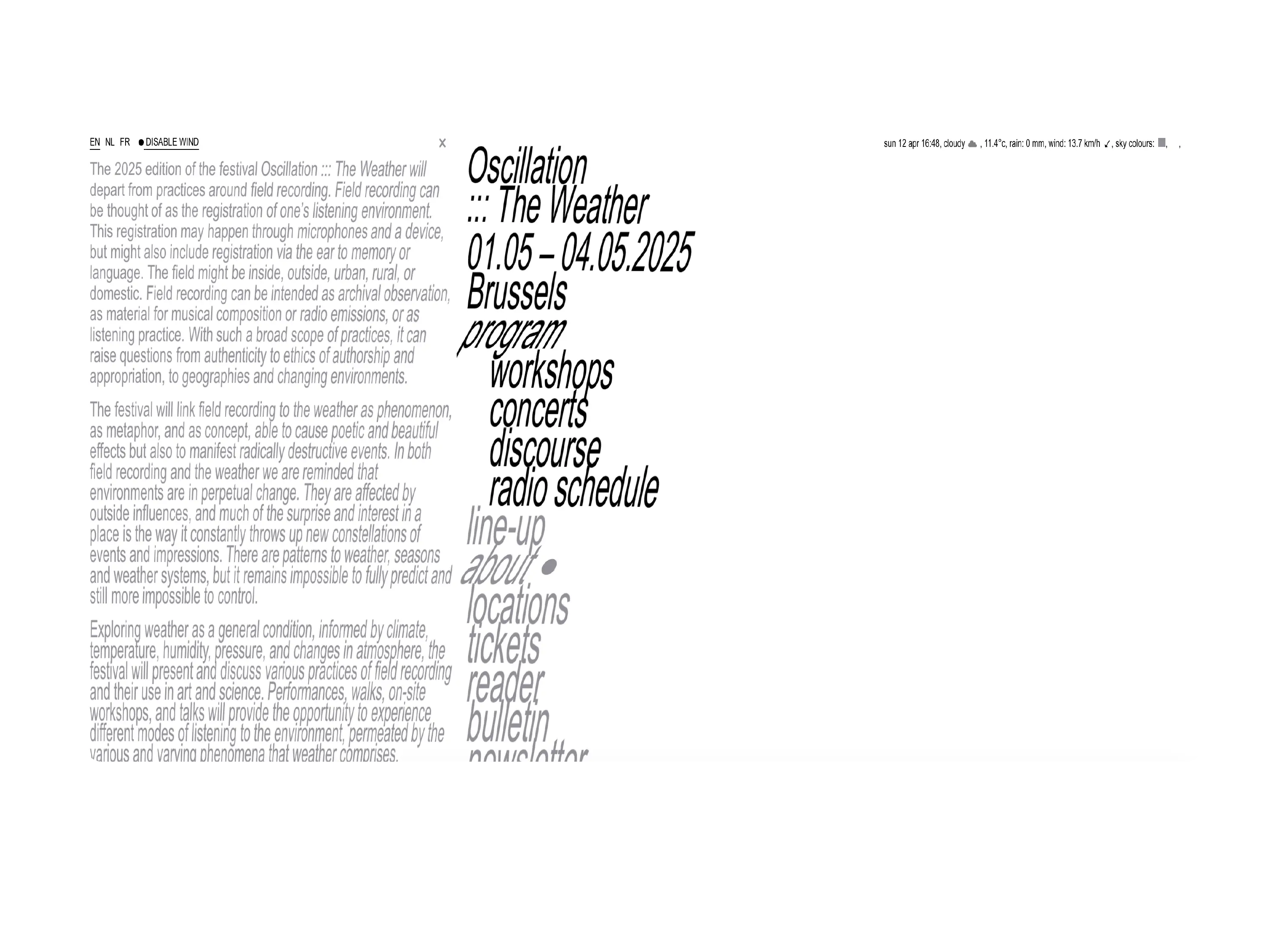
My attempt at reframing the project into a central statement:
How might we rethink the way we listen to, understand, and experience sound?
Sound is everywhere all the time. It is entangled in our lives; it travels, transcends borders and passes through walls. Sonic Attunements explores how we might cultivate deeper relationships with sound through embodied, sensory encounters - listening across environments, rediscovering sounding objects, and attuning through material vibrations.